

As a supplier of granite products, I've witnessed firsthand the growing interest in both natural and engineered granite. Customers often approach us with questions about the price differences between these two popular options. In this blog, I'll delve into the factors that contribute to the price disparity and help you understand which might be the better choice for your project.
Understanding Natural Granite
Natural granite is a beautiful and durable igneous rock formed deep within the Earth's crust over millions of years. It's quarried from various locations around the world, each deposit offering unique colors, patterns, and mineral compositions. The beauty of natural granite lies in its authenticity and the fact that no two slabs are exactly alike.
Factors Affecting the Price of Natural Granite
-
Rarity and Source The location of the quarry plays a significant role in determining the price of natural granite. Some quarries produce rare and highly sought-after varieties that are more expensive due to limited availability. For example, granite sourced from remote or politically unstable regions may incur higher transportation costs and risks, which are reflected in the final price. Additionally, certain colors and patterns that are less common in nature command a premium.
-
Quality and Grade Natural granite is graded based on its quality, which takes into account factors such as color consistency, veining, and the presence of inclusions or imperfections. Higher-grade granite typically has fewer flaws and a more uniform appearance, making it more suitable for high-end applications. As a result, it tends to be more expensive than lower-grade options.
-
Thickness and Size The thickness and size of the granite slabs also impact the price. Thicker slabs are generally more expensive because they require more raw material and are more difficult to handle and install. Larger slabs are also pricier, as they offer more continuous surface area without the need for seams, which is desirable for many projects.
-
Processing and Finishing The level of processing and finishing required for natural granite can vary depending on the intended use. Polished finishes, which enhance the stone's natural beauty and give it a shiny appearance, are more labor-intensive and therefore more expensive than honed or brushed finishes. Additionally, custom cuts, edge profiles, and other special treatments can add to the overall cost.
Examples of Natural Granite Prices
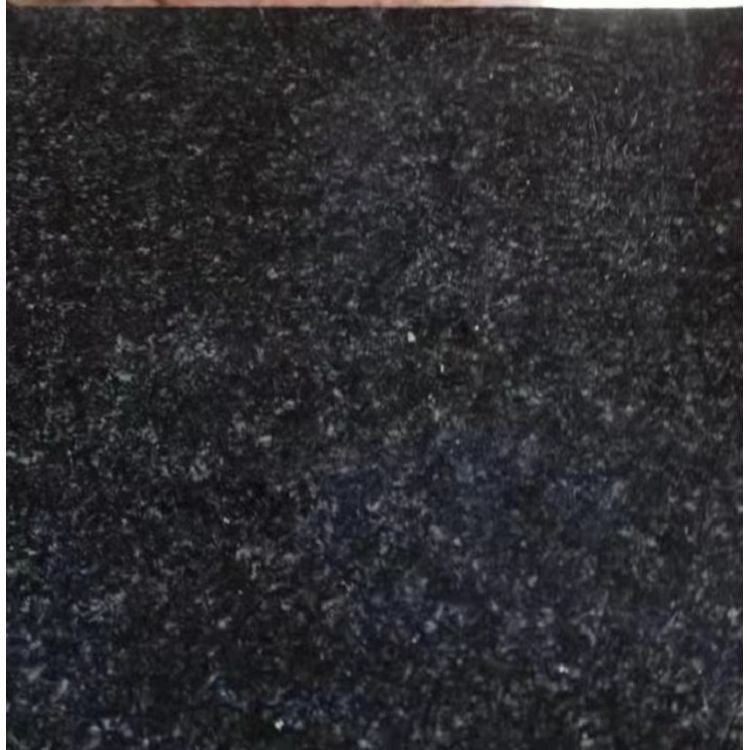
To give you a better idea of the price range for natural granite, here are a few examples of popular varieties and their approximate costs per square foot: - Shanxi Black Granite Slabs: This sleek and elegant black granite is known for its uniform color and high durability. It's a popular choice for countertops, flooring, and other applications. The price of Shanxi Black Granite Slabs typically ranges from $40 to $60 per square foot, depending on the quality and thickness. - New G654 Granite: With its light gray background and subtle flecks of black and white, New G654 Granite offers a classic and timeless look. It's a versatile option that can be used in both residential and commercial settings. The price of New G654 Granite usually falls between $30 and $50 per square foot. - Butterfly Green Granite: This vibrant and eye-catching granite features a green background with intricate patterns of white and black veins, resembling the wings of a butterfly. It's a popular choice for making a statement in kitchens, bathrooms, and other areas. The price of Butterfly Green Granite ranges from $50 to $70 per square foot, depending on the quality and availability.
Exploring Engineered Granite
Engineered granite, also known as composite granite or quartz countertops, is a man-made material composed of crushed natural quartz crystals, resins, and pigments. It's designed to mimic the look and feel of natural granite while offering several advantages, such as greater consistency in color and pattern, improved durability, and lower maintenance requirements.
Factors Affecting the Price of Engineered Granite
-
Brand and Quality There are many different brands and manufacturers of engineered granite on the market, each offering a range of products with varying levels of quality. Higher-end brands typically use better-quality materials and more advanced manufacturing processes, resulting in a more durable and aesthetically pleasing product. As a result, they tend to be more expensive than lower-quality alternatives.
-
Color and Pattern Engineered granite comes in a wide variety of colors and patterns, some of which are more popular and therefore more expensive than others. For example, unique or custom colors may require special pigments or manufacturing techniques, which can increase the cost. Additionally, patterns that closely resemble rare or high-end natural granite varieties may also command a premium.
-
Thickness and Size Similar to natural granite, the thickness and size of the engineered granite slabs can affect the price. Thicker slabs are generally more expensive because they require more raw material and are more difficult to handle and install. Larger slabs are also pricier, as they offer more continuous surface area without the need for seams.
-
Installation and Accessories The cost of installing engineered granite can vary depending on the complexity of the project, the location, and the installer's experience and reputation. Additionally, accessories such as edge profiles, backsplashes, and undermount sinks can add to the overall cost.
Examples of Engineered Granite Prices
The price of engineered granite typically ranges from $40 to $100 per square foot, including installation. Here are a few examples of popular brands and their approximate costs: - Caesarstone: This well-known brand offers a wide range of colors and patterns to choose from, with prices starting at around $50 per square foot. - Silestone: Another popular brand, Silestone is known for its durability and stain resistance. Prices for Silestone countertops typically range from $60 to $80 per square foot. - Cambria: Cambria is a premium brand that offers high-quality engineered granite with a focus on natural beauty and sustainability. Prices for Cambria countertops start at around $70 per square foot and can go up to $100 or more, depending on the color and pattern.
Comparing the Prices of Natural and Engineered Granite
When comparing the prices of natural and engineered granite, it's important to consider the specific needs and budget of your project. In general, engineered granite tends to be more expensive upfront, but it may offer long-term savings in terms of maintenance and durability. Natural granite, on the other hand, can vary widely in price depending on the quality, rarity, and source, but it offers a unique and authentic look that many people find appealing.
Cost-Effectiveness
If you're on a tight budget, natural granite may be the more cost-effective option, especially if you're willing to compromise on quality or choose a less expensive variety. However, if you're looking for a low-maintenance, consistent, and durable surface, engineered granite may be worth the extra investment.
Aesthetics and Design
One of the main advantages of natural granite is its unique and natural beauty. Each slab has its own distinct pattern and color, which can add character and charm to your space. Engineered granite, on the other hand, offers a more consistent and uniform appearance, which may be preferred for modern or contemporary designs.
Durability and Maintenance
Both natural and engineered granite are durable materials that can withstand heavy use and wear. However, engineered granite is generally more resistant to stains, scratches, and heat than natural granite, making it a better choice for high-traffic areas or kitchens. Natural granite, on the other hand, may require more frequent sealing and maintenance to keep it looking its best.
Making the Right Choice
Ultimately, the decision between natural and engineered granite comes down to your personal preferences, budget, and the specific requirements of your project. If you're unsure which option is right for you, I recommend consulting with a professional designer or contractor who can help you evaluate your options and make an informed decision.
As a granite price supplier, we offer a wide range of natural and engineered granite products to suit every budget and style. Whether you're looking for a classic and elegant look or a modern and contemporary design, we have the perfect solution for you. If you're interested in learning more about our products or getting a quote, please don't hesitate to contact us. We'd be happy to help you find the perfect granite for your project.
References
- "Granite Countertops: Everything You Need to Know." Bob Vila.
- "Engineered Stone Countertops: Pros and Cons." The Spruce.
- "Natural vs. Engineered Stone Countertops: Which Is Right for You?" This Old House.