

As a seasoned supplier of China Granite, I've witnessed firsthand the allure and versatility of this remarkable natural stone. Granite, a common type of igneous rock, is widely used in various construction and decorative applications due to its durability, aesthetic appeal, and unique chemical composition. In this blog, I'll delve into the chemical makeup of China Granite, exploring its key components and how they contribute to the stone's characteristics.
The Basic Chemical Composition of Granite
Granite is primarily composed of three major minerals: quartz, feldspar, and mica. These minerals are present in varying proportions, which give different types of granite their distinct colors, textures, and physical properties.
Quartz
Quartz is one of the most abundant minerals in granite, typically making up 20 - 60% of the rock's composition. Chemically, quartz is silicon dioxide (SiO₂). Its high silica content gives granite its hardness and resistance to scratching and wear. Quartz also has a glassy luster, which contributes to the overall shine and visual appeal of the granite. This mineral is also inert, meaning it doesn't react easily with most chemicals, making granite suitable for use in kitchen countertops and other areas where it may come into contact with acids or alkalis.
Feldspar
Feldspar is another major component of granite, accounting for about 35 - 65% of the rock. There are two main types of feldspar found in granite: potassium feldspar (orthoclase and microcline) and plagioclase feldspar. Potassium feldspar is often pink, red, or flesh - colored, while plagioclase feldspar can range from white to gray. Chemically, feldspar is a group of aluminosilicate minerals containing potassium, sodium, or calcium. Feldspar contributes to the color and texture of granite. It is less hard than quartz but still adds to the overall strength of the rock. The presence of different feldspar minerals can create beautiful color variations and patterns in the granite.

Mica
Mica is present in smaller amounts, usually around 5 - 15% of the granite composition. The two common types of mica in granite are biotite (black mica) and muscovite (white mica). Biotite is rich in iron and magnesium, while muscovite contains potassium and aluminum. Mica has a characteristic flaky or platy structure, which can give granite a sparkly or glittery appearance. It also affects the workability of the granite to some extent. While mica is not as hard as quartz or feldspar, it can add to the aesthetic appeal of the stone, creating interesting visual effects.
Additional Minerals in China Granite
In addition to the main minerals, China Granite may also contain small amounts of other minerals, which can influence its color, texture, and properties.
Hornblende
Hornblende is a dark - colored amphibole mineral that can be found in some types of granite. It is rich in iron, magnesium, calcium, and aluminum. Hornblende gives granite a darker color, often adding a greenish or blackish tint. Its presence can also increase the density and strength of the granite in some cases.
Apatite and Zircon
Apatite and zircon are accessory minerals that are present in trace amounts in granite. Apatite is a phosphate mineral, and zircon is a zirconium silicate. These minerals are often used by geologists to study the origin and age of the granite, as they can contain radioactive isotopes that can be dated using radiometric methods. Although they are present in very small quantities, they can have a minor impact on the overall chemical and physical properties of the granite.
How the Chemical Composition Affects the Properties of China Granite
The chemical composition of China Granite has a significant impact on its physical and chemical properties, which in turn determine its suitability for different applications.
Durability
The high content of quartz and feldspar in granite makes it extremely durable. Quartz's hardness and chemical inertness, combined with the strength of feldspar, allow granite to withstand heavy use, abrasion, and chemical exposure. This makes it an ideal choice for high - traffic areas such as floors, countertops, and exterior cladding.
Color and Appearance
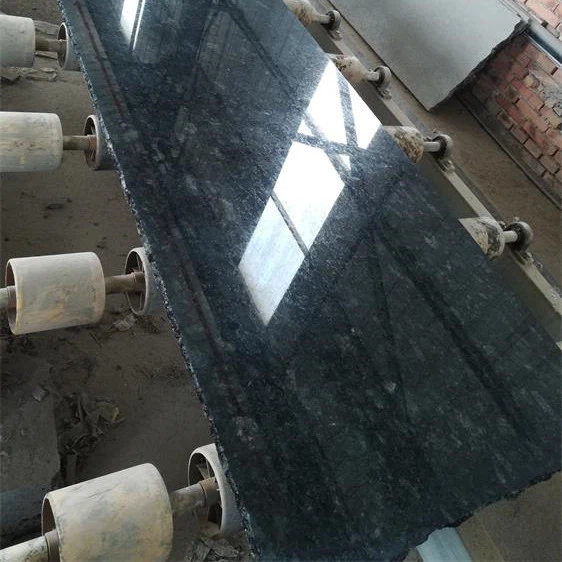
The different minerals in granite contribute to its wide range of colors and patterns. For example, granite with a high potassium feldspar content may have a pink or red hue, while the presence of biotite mica can create a speckled or veined appearance. Some well - known varieties of China Granite, such as Butterfly Green Granite, Shanxi Black Granite Slabs, and Green Butterfly Granite, owe their unique colors and patterns to the specific combination of minerals in their composition.
Workability
The presence of mica and other minerals can affect the workability of the granite. Mica's flaky structure can make the granite more prone to chipping during cutting and polishing if not handled properly. However, with the right techniques and equipment, skilled artisans can still shape and finish China Granite to meet the desired specifications.
Applications of China Granite Based on its Chemical Composition
Due to its unique chemical composition and resulting properties, China Granite is used in a wide variety of applications.
Construction
In the construction industry, granite is commonly used for building facades, flooring, and staircases. Its durability and aesthetic appeal make it a popular choice for both residential and commercial buildings. The strength of granite allows it to support heavy loads, while its resistance to weathering makes it suitable for exterior use.
Interior Design
Granite is a favorite material for interior design, especially in kitchens and bathrooms. Kitchen countertops made of granite are highly sought after because of their resistance to heat, scratches, and stains. The beautiful colors and patterns of granite can also enhance the overall look of the kitchen. In bathrooms, granite can be used for vanity tops, shower surrounds, and flooring.
Monument and Sculpture
The hardness and durability of granite make it an excellent material for monuments and sculptures. China Granite has been used to create stunning statues, memorials, and architectural elements that can withstand the test of time. The unique colors and textures of the granite can also add to the artistic value of these creations.
Conclusion
The chemical composition of China Granite is a complex interplay of various minerals, each contributing to the stone's unique properties and appearance. From the hardness and durability provided by quartz and feldspar to the aesthetic appeal added by mica and other accessory minerals, China Granite is a remarkable natural resource. Whether you're looking for a durable flooring material, a beautiful kitchen countertop, or a stunning monument, China Granite offers a wide range of options to meet your needs.
If you're interested in purchasing China Granite for your project, I invite you to reach out to discuss your requirements. We can provide you with detailed information about our products, including their chemical composition, physical properties, and available colors and patterns. Let's work together to bring your vision to life with the beauty and durability of China Granite.
References
- Deer, W. A., Howie, R. A., & Zussman, J. (1992). Rock - forming Minerals: Volume 4, Framework Silicates: Feldspars. Longman Scientific & Technical.
- Fletcher, J. M., & Hamilton, D. L. (1993). Geology of the Earth's Crust. Springer - Verlag.
- Wilson, M. (1989). Igneous Petrogenesis. Unwin Hyman.