

Hey there! As a granite supplier, I've been dealing with granite for quite a while. Granite is a super popular natural stone that's used in all sorts of projects, from kitchen countertops to building facades. It's got a lot going for it - it's durable, it looks great, and it adds a touch of elegance to any space. But like anything, it's not without its limitations. In this blog, I'm gonna share some of the downsides of using granite that you should know about before making a decision.
1. Cost
One of the biggest limitations of granite is its cost. Compared to other countertop materials like laminate or quartz, granite can be pretty pricey. The cost of granite varies depending on factors like the type of granite, its quality, and the size of the project. Some rare or exotic granites can cost a fortune! For example, high - end imported granites can cost upwards of $100 per square foot, not including installation.
If you're on a tight budget, granite might not be the best option for you. You'll have to weigh the beauty and durability of granite against the cost and see if it fits within your financial plan. But hey, if you can afford it, granite can really up the value of your property.
2. Weight
Granite is a heavy material. A slab of granite can weigh several hundred pounds, which makes it difficult to handle and install. This means that you need to have a strong and stable structure to support it. For example, if you're installing granite countertops in your kitchen, your cabinets need to be sturdy enough to bear the weight.
The weight of granite also makes transportation more challenging and expensive. Special equipment is required to move and install granite slabs, which adds to the overall cost of the project. And if you're planning a renovation, you might need to reinforce your floors or walls to ensure they can handle the extra load.
3. Porosity
Granite is a porous material, which means it can absorb liquids. If you spill something on a granite countertop, especially acidic substances like lemon juice or vinegar, it can stain the stone. Over time, these stains can become permanent and affect the appearance of the granite.
To prevent staining, you need to seal your granite countertops regularly. Sealing creates a protective barrier on the surface of the granite, reducing its porosity and making it more resistant to stains. But even with regular sealing, you still need to be careful and clean up spills immediately. If you don't take proper care of your granite, it can start to look dull and worn out.
4. Maintenance
Maintaining granite requires some effort. As I mentioned earlier, regular sealing is necessary to protect the granite from stains. You also need to clean your granite surfaces with mild, non - abrasive cleaners. Harsh chemicals can damage the sealant and the granite itself.
Scratches are another issue. Although granite is a hard material, it can still be scratched by sharp objects. You need to use cutting boards and avoid dragging heavy or sharp items across the granite surface. If your granite does get scratched, it might require professional resurfacing to restore its appearance.
5. Limited Color and Pattern Consistency
While granite comes in a wide range of colors and patterns, there can be significant variation between different slabs. Even if you order granite from the same quarry, the color and pattern of each slab can be slightly different. This can be a problem if you're looking for a uniform look in your project.
For example, if you're installing granite countertops in your kitchen and you want all the slabs to match perfectly, it can be difficult to achieve. You might have to go through several slabs to find ones that are close enough in color and pattern. And even then, there might still be some visible differences.
6. Environmental Impact
The extraction and processing of granite can have a negative impact on the environment. Quarrying granite involves the use of heavy machinery, which consumes a lot of energy and can cause air and noise pollution. It can also lead to habitat destruction and soil erosion.
In addition, transporting granite over long distances adds to its carbon footprint. If you're environmentally conscious, you might want to consider the environmental impact of using granite and look for more sustainable alternatives.
Examples of Specific Granites and Their Limitations
Let's take a look at some specific types of granite and how these limitations apply to them.
Mongolia Black Granite
Mongolia Black Granite is a popular choice for countertops and flooring. It has a beautiful black color with white or gray veins, which gives it a sophisticated look. However, like all granites, it's porous and can stain easily. The dark color can also make stains more noticeable. And because of its popularity, it can be quite expensive, especially if you're looking for high - quality slabs.
Green Butterfly Granite
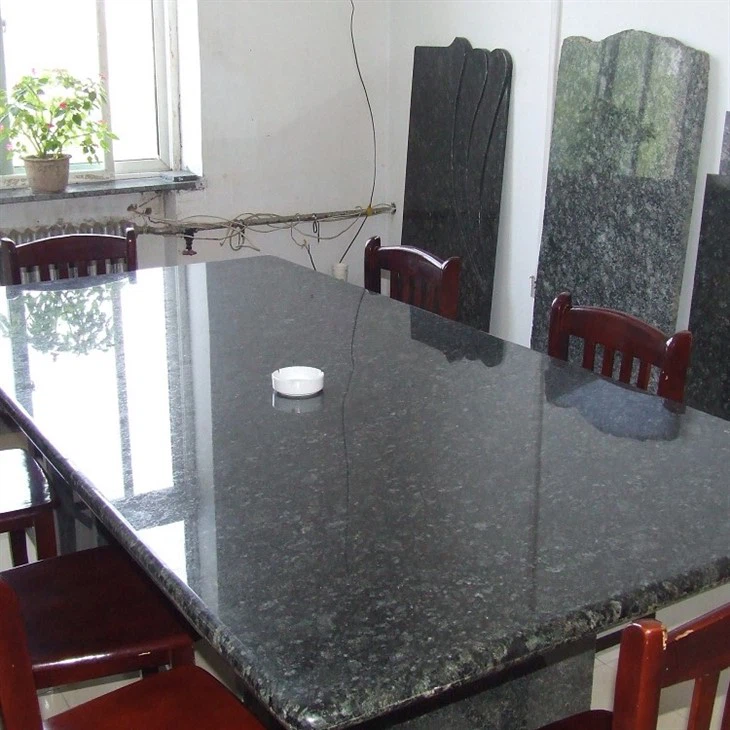
Green Butterfly Granite is known for its unique green and white patterns, which resemble a butterfly's wings. This granite is also porous and requires regular sealing to prevent staining. The weight of Green Butterfly Granite is similar to other types of granite, so you need to ensure proper support during installation. And due to its distinct pattern, it can be challenging to find slabs with consistent patterns for a large project.
Butterfly Green Granite Countertops
Butterfly Green Granite Countertops are a popular choice for kitchens and bathrooms. But just like any granite countertops, they are prone to scratching. You need to be careful when using knives or other sharp objects on them. Also, because of the weight, the installation process can be complex and expensive.
Conclusion
So, there you have it - the limitations of using granite. But don't let these drawbacks scare you off. Granite still has a lot of advantages, such as its beauty, durability, and natural appeal. If you're willing to invest in proper maintenance and installation, granite can be a great choice for your home or commercial project.
If you're interested in purchasing granite for your next project, I'd love to have a chat with you. We can discuss your needs, your budget, and find the perfect granite for you. Whether you're looking for a classic black granite or a unique green - patterned one, we've got you covered. So, don't hesitate to reach out and start the conversation about your granite project.

References
- "Granite Countertops: Pros and Cons." HomeAdvisor.
- "The Truth About Granite Countertops." Bob Vila.
- "Granite - Properties and Uses." Geology.com.