

As a wholesale granite supplier, determining the quality grade of granite is a crucial task that directly impacts our business. In this blog, I'll share my insights on how I assess the quality of wholesale granite, drawing from my experience in the industry.
Visual Inspection
The first step in determining the quality grade of granite is a thorough visual inspection. This involves examining the granite slab for any visible flaws, such as cracks, chips, or discolorations. High - quality granite should have a consistent color and pattern throughout the slab. Any irregularities in color can indicate impurities or variations in the mineral composition, which may affect the durability and aesthetic appeal of the granite.
For example, when looking at a Butterfly Green Polished Slab, I pay close attention to the uniformity of the green color and the distinctiveness of the butterfly - like patterns. A well - graded slab will have a smooth, polished surface with no visible scratches or pits. The edges of the slab should also be straight and free from any damage.
In addition to surface flaws, I also look for signs of natural inclusions. While some inclusions are normal in granite and can even add to its character, excessive or large inclusions may weaken the stone. For instance, if there are large pockets of quartz or feldspar that are not well - integrated with the rest of the granite matrix, it could potentially lead to cracking under stress.
Physical Properties Testing
After the visual inspection, I conduct a series of physical properties tests to further evaluate the quality of the granite. One of the most important tests is the hardness test. Granite is a hard stone, and its hardness is typically measured on the Mohs scale. High - quality granite usually has a hardness of 6 to 7 on the Mohs scale, which means it is relatively resistant to scratching and abrasion.
I use a simple scratch test with a known hard object to check the hardness of the granite. If the granite can resist scratching from a common object like a steel nail, it indicates a good level of hardness. However, for a more accurate assessment, I may send samples to a laboratory for professional hardness testing.
Another crucial physical property is the density of the granite. Higher - density granite is generally stronger and more durable. I measure the density of the granite by weighing a sample of known volume. A denser granite will have a higher mass per unit volume, which is an indication of its quality.
Porosity is also an important factor to consider. Granite with low porosity is less likely to absorb liquids, which makes it more resistant to staining. I test the porosity of the granite by applying a few drops of water on the surface and observing how quickly the water is absorbed. If the water beads up and does not penetrate the surface for a long time, it means the granite has low porosity and is of better quality.
Chemical Composition Analysis
The chemical composition of granite plays a significant role in determining its quality. Granite is mainly composed of quartz, feldspar, and mica, but the exact proportions of these minerals can vary. I analyze the chemical composition of the granite to ensure that it has the right balance of minerals for optimal strength and durability.
Quartz is one of the most important minerals in granite as it provides hardness and resistance to abrasion. A high - quality granite should have a relatively high percentage of quartz. Feldspar, on the other hand, contributes to the color and the overall structure of the granite. Mica, while present in smaller amounts, can affect the appearance and workability of the granite.
I use X - ray fluorescence (XRF) analysis to determine the chemical composition of the granite. This non - destructive testing method allows me to quickly and accurately identify the elements present in the granite and their relative concentrations. By comparing the results with industry standards, I can determine if the granite meets the quality requirements for different applications.
Origin and Source
The origin of the granite can also have a significant impact on its quality. Different regions around the world produce granite with unique characteristics. For example, some regions are known for producing high - quality black granite, such as the 2--Black Granite Tombstones,Monument. The geological conditions in these areas, including the type of rock formation and the mineral content of the soil, can influence the quality of the granite.
I work closely with reliable quarries to source my granite. I visit the quarries regularly to inspect the mining operations and ensure that the granite is being extracted and processed in a way that maintains its quality. By establishing long - term relationships with reputable quarries, I can have more control over the quality of the granite I supply.
Application - Specific Quality Assessment
The quality grade of granite also depends on its intended application. For example, granite used for kitchen countertops needs to meet different quality standards than granite used for outdoor landscaping.
For kitchen countertops, the granite must be highly resistant to heat, scratches, and stains. It should also have a smooth, polished surface that is easy to clean. In addition to the general quality requirements, I look for granite that has a consistent color and pattern to match the aesthetic of the kitchen.
On the other hand, granite used for outdoor applications, such as paving stones or Butterfly Green Granite Flamed, needs to be more resistant to weathering and freezing - thawing cycles. The surface finish of outdoor granite may also be different, such as a flamed finish, which provides better slip resistance.
Quality Grading System
Based on the results of the visual inspection, physical properties testing, chemical composition analysis, and consideration of the origin and application, I use a quality grading system to classify the granite. I typically use a three - tier grading system: premium, standard, and economy.
Premium - grade granite is of the highest quality. It has a uniform color and pattern, excellent physical properties, and a low porosity. It is suitable for high - end applications where appearance and durability are of utmost importance, such as luxury kitchen countertops or high - end commercial buildings.

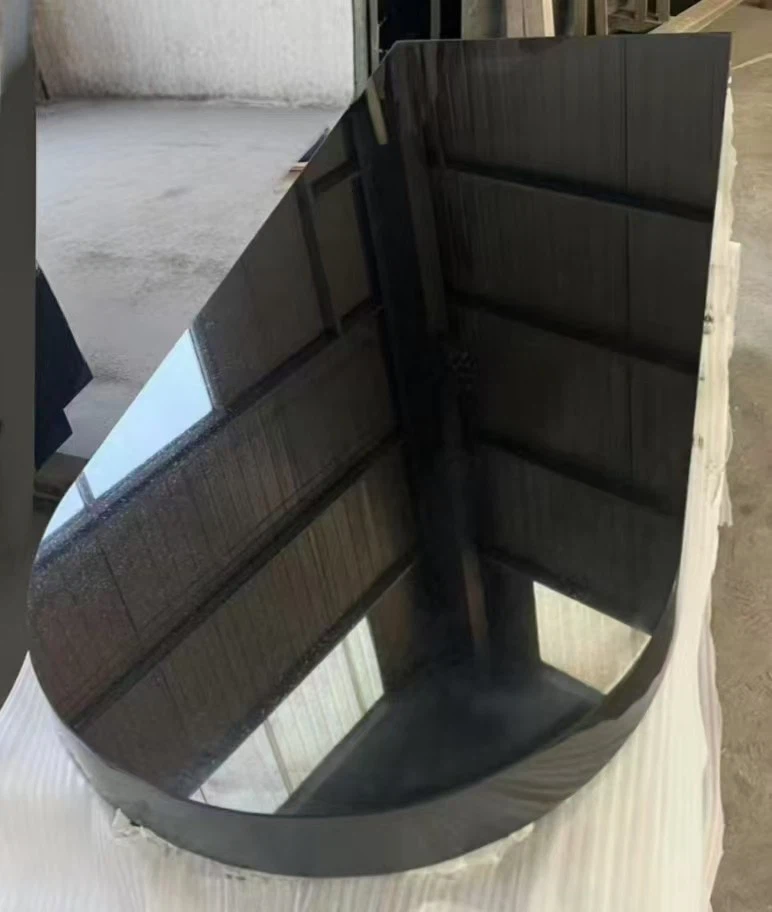
Standard - grade granite is of good quality and meets the general requirements for most applications. It may have some minor imperfections, but they do not significantly affect its performance. This grade of granite is commonly used in residential kitchens and bathrooms, as well as in outdoor landscaping projects.
Economy - grade granite is the most affordable option. It may have more visible flaws or slightly lower physical properties compared to the premium and standard grades. However, it can still be a viable choice for less demanding applications, such as low - traffic areas or projects with a limited budget.
Conclusion
Determining the quality grade of wholesale granite is a comprehensive process that involves multiple steps and considerations. By conducting thorough visual inspections, physical properties tests, chemical composition analysis, and taking into account the origin and intended application of the granite, I can accurately assess its quality and provide my customers with the best - suited products.
If you are in the market for wholesale granite and are interested in learning more about the quality grades and our product offerings, I encourage you to reach out to me. I am more than happy to discuss your specific needs and help you find the perfect granite for your project.
References
- "Granite: A Comprehensive Guide to Properties, Applications, and Quality Assessment." Stone Industry Journal.
- "Testing and Analysis of Natural Stone Properties." International Association of Stone Suppliers.
- "The Science of Granite: Chemical Composition and Physical Behavior." Geological Research Institute.